
Key Takeaways
- Telehealth and in-home benefits can improve outcomes for Medicare clients and support practice growth.
- Agents should use compliance-safe, educational strategies and plan-neutral guidance to boost client utilization.
More Medicare beneficiaries are using telehealth and in-home care each year. As a licensed insurance agent, your support can make these benefits more accessible for clients while strengthening your practice. Explore actionable ways to help Medicare clients understand and use these evolving services.
What Are Telehealth and In-Home Benefits?
Definitions and Scope
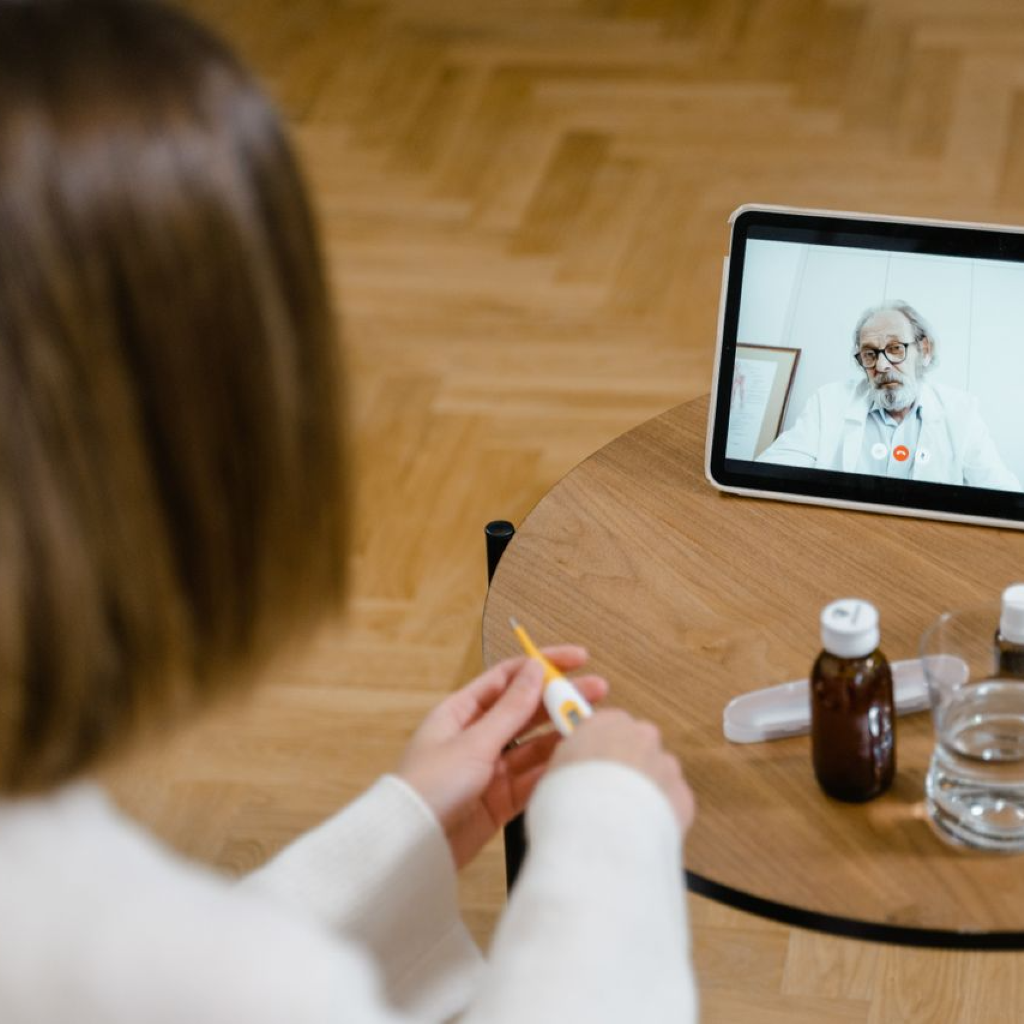
Telehealth refers to clinical and non-clinical services provided to patients using secure digital technologies—such as phone calls, video conferencing, and online chat. These remote healthcare services connect Medicare-eligible individuals with healthcare professionals without requiring in-person visits. In-home benefits involve health-related services performed at the patient’s residence. These can range from medical diagnoses and management to allied services like physical therapy or routine check-ups, all delivered in the client’s home setting.
Both telehealth and in-home care expand access to medical support, especially for Medicare clients facing mobility challenges, rural living situations, or chronic health conditions. These benefits have grown significantly in scope and relevance, particularly with greater adaptation by healthcare providers and increased acceptance among older adults.
Typical Services Included
Telehealth services typically include:
- Virtual consultations with primary care and specialist providers
- Remote monitoring of chronic conditions (e.g., blood pressure, glucose)
- Behavioral and mental health support
- Follow-up visits and management of ongoing care plans
In-home benefits can include:
- Annual wellness visits performed at home
- Laboratory collections or diagnostic screenings
- Post-hospitalization care and medication management
- Preventive care programs, such as fall risk assessments or vaccinations
By helping your clients understand the range of covered services, you position yourself as both a trusted resource and a knowledgeable guide.
Why Should Agents Prioritize These Benefits?
Shifting Medicare Needs
Medicare clients’ needs are evolving. More beneficiaries are seeking convenient, flexible care, and a growing segment values services that align with their mobility, transportation, or continuity-of-care needs. Telehealth and in-home care options directly respond to these concerns—offering accessible, client-centered solutions that help address gaps, reduce barriers, and maintain ongoing care relationships.
Practice-Building Opportunities
For licensed insurance agents, helping clients understand and utilize these benefits marks you as a forward-thinking professional. Incorporating discussions of telehealth and in-home services into annual client reviews, educational outreach, and case design helps:
- Deepen agent-client relationships
- Open dialogues about other evolving client needs
- Distinguish your practice’s offerings in a competitive marketplace
By demystifying these benefits, you enhance your value as an educator and advocate for your Medicare clients.
How Can Agents Increase Client Utilization?
Educational Strategies for Clients
Educating clients is essential. You can boost Telehealth and in-home care awareness by:
- Holding informational webinars or workshops focused on how and when to use these benefits
- Sending compliance-approved educational materials, either electronically or by mail, summarizing benefit features
- Sharing clear, real-life scenarios of when telehealth or in-home visits can prevent avoidable emergency room trips
- Guiding clients through the process of accessing virtual appointments, including how to use technology and what to expect
Consider leveraging regular communication—quarterly newsletters or annual check-ins—to remind clients of these benefits’ value and practical uses.
Reviewing Plan Documents Together
Many Medicare plans outline telehealth and in-home services within their Summary of Benefits or Evidence of Coverage documents. As an agent, you can offer to review these documents with your clients, highlighting relevant sections and clarifying:
- Which services require prior authorization or referrals
- How clients schedule appointments
- What technology or preparation is needed for virtual care
This review not only reinforces your expertise but shows your commitment to plan-neutral, client-centered education—helping clients make informed choices without steering them toward (or away from) specific plans or carriers.
Which Clients Benefit Most from These Services?
Identifying Ideal Candidates
Telehealth and in-home care aren’t one-size-fits-all. Certain populations stand to benefit most:
- Clients in rural or underserved areas with limited access to healthcare providers
- Individuals with mobility or transportation challenges
- Those managing chronic conditions requiring frequent monitoring
- Clients who are at increased risk for hospital readmission and need additional support at home
By identifying ideal candidates, you can suggest appropriate strategies to help them optimize their plan benefits and enhance their care.
Supporting Vulnerable Populations
Vulnerable or high-risk populations—including older adults living alone, those with limited caregiver support, and clients with complex health needs—may not always recognize their eligibility for in-home or virtual services. You can:
- Proactively discuss these services during needs assessments
- Encourage clients to involve family or caregivers in discussions about benefits
- Connect them with appropriate community resources or healthcare providers if additional support is needed
Your involvement can make accessing these services less intimidating and more successful for those who need them most.
What Compliance Issues Should Agents Know?
Plan-Neutral Client Education
Compliance always comes first. Present education about telehealth and in-home care in a plan-neutral, unbiased manner. Refrain from endorsing specific carriers or plan options. Instead, focus on:
- Sharing factual, system-approved information
- Advising clients to contact their own plan’s member services for specific benefit questions
- Encouraging independent review and comparison
This approach shows your professionalism and respects the regulations expected of licensed Medicare agents.
Documentation Best Practices
Keep detailed records of all communications, educational efforts, and client interactions related to telehealth and in-home benefits. Good documentation demonstrates compliance, substantiates the quality of service you provide, and protects your practice if questions arise. Tips include:
- Noting all educational resources provided to clients
- Recording verbal explanations and follow-up discussions
- Maintaining copies of plan-neutral communication templates
Proactive recordkeeping supports transparency and trust with both clients and regulatory bodies.
Are There Practice-Growth Advantages?
Building Trust with Medicare Clients
Your dedication to guiding clients through telehealth and in-home care options underscores your commitment to their ongoing well-being. By providing accurate, unbiased information, you reinforce client trust—a factor critical to long-term retention and ongoing referrals. Building credibility in this area can make your practice the go-to resource for evolving Medicare benefit questions.
Expanding Service Offerings
Leveraging these benefits also enables you to expand your service approach. Consider incorporating telehealth and in-home care discussions into:
- Annual client reviews and check-ins
- Educational events
- Marketing material and social media content (compliance-approved)
This positions your practice as agile, client-focused, and well-versed in current Medicare trends—helping you attract new clients and retain existing ones.