
Key Takeaways
- Understanding FMOs, IMOs, and NMOs is essential for choosing the right support as an independent Medicare agent.
- Evaluating organizational resources, compliance help, and your own practice goals ensures a productive partnership.
Navigating the choices between FMOs, IMOs, and NMOs can feel overwhelming, especially if you’re seeking the right fit for your independent Medicare practice. Knowing what each organization offers—and how they differ—helps you make informed decisions to grow, stay compliant, and deliver the best service to your Medicare-eligible clients.
What Is an FMO, IMO, and NMO?
Defining FMO, IMO, and NMO
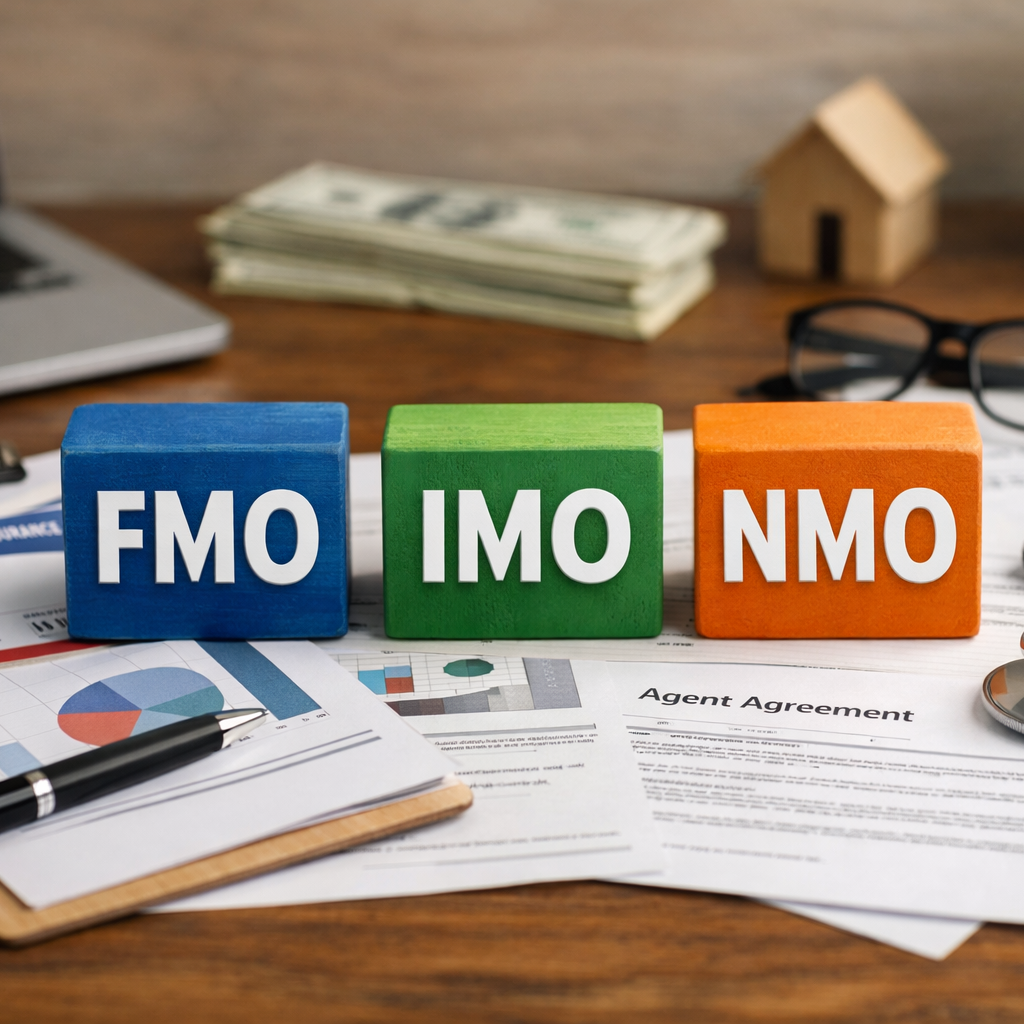
Field Marketing Organizations (FMOs), Independent Marketing Organizations (IMOs), and National Marketing Organizations (NMOs) are all types of uplines that partner with licensed insurance agents. These groups act as intermediaries between insurance carriers and independent agents. While each has a different structure and scale, their core role is to provide essential resources, guidance, and support.
Industry roles and responsibilities
FMOs typically operate on a regional to national level, offering access to multiple carrier contracts, marketing materials, and back-office support. IMOs, often a bit smaller, may serve niche markets or specific insurance lines. NMOs usually serve agents at a national scale, sometimes focusing on larger agencies or multi-state practices. Despite these differences, all these organizations help streamline the contracting process, offer business resources, and act as advocates for agents within the industry.
How these organizations support agents
Whether you choose an FMO, IMO, or NMO, you gain access to support in areas like contracting, compliance education, lead generation, and ongoing practice development. These organizations also provide updates on industry regulations and facilitate training so you can focus on serving your Medicare clients.
Why Do Independent Agents Need an Upline?
The value of an upline partnership
As an independent Medicare agent, having an upline organization offers you benefits beyond just access to contracts. Your upline becomes your business ally—offering technology, marketing materials, and guidance that helps you grow your practice and operate more efficiently.
Compliance and regulatory guidance
Staying compliant with Medicare regulations and insurance industry standards is non-negotiable. Uplines help you keep pace with regulatory changes, provide updated compliance materials, and offer guidance on documentation and marketing best practices. This support reduces the risk of compliance missteps and provides peace of mind.
Practice-building and support services
Uplines extend resources that go beyond paperwork. From business coaching to lead program access and administrative support, they enable you to focus on serving clients rather than back-office tasks. Many uplines also facilitate networking and educational events, keeping you connected with peers and new industry developments.
What Sets FMOs, IMOs, and NMOs Apart?
Organizational structure differences
FMOs, IMOs, and NMOs vary by size, reach, and sometimes by the niche they serve. FMOs often have robust national resources with established relationships and formalized support systems. IMOs may be more regionally focused and flexible, ideal for agents seeking a personalized, boutique-style approach. NMOs frequently cater to larger operations or agencies, offering extensive tools tailored for high-growth environments.
Range of agent resources
The breadth and depth of resources provided can vary. FMOs commonly offer comprehensive onboarding, customizable marketing platforms, and a wide carrier selection. IMOs might provide more hands-on support for new agents or those focusing on a specific line of business. NMOs generally have the infrastructure to support agencies or groups of agents, featuring advanced technology and streamlined tools for scaling up.
Levels of support and training
With FMOs and NMOs, you’re likely to find formal training—both online and in-person—along with compliance education that suits agents at all experience levels. IMOs may be nimble and provide more frequent one-on-one mentorship. The right fit often depends on what level of support you need and the complexity of your practice.
What Are the Pros and Cons?
Pros of working with FMOs
- Access to a broad range of carrier contracts
- Advanced marketing and lead generation solutions
- Structured compliance and ongoing training programs
- Streamlined contracting and administration
Benefits of IMOs for agents
- Personalized support and mentorship
- Flexibility in agent relationships
- Often a closer, community-focused culture
NMO advantages and possible drawbacks
- Scalable support and technology solutions
- National presence and often strong industry leverage
- May prioritize larger agencies, potentially offering less individual attention to solo agents
How to Choose the Right Organization?
Key questions for independent agents
Before signing with any organization, ask yourself:
- Does this group align with my business model and growth goals?
- What type of support do I need most—training, leads, compliance guidance, or hands-on onboarding?
- What is their reputation for agent service and contract transparency?
Factors influencing your decision
Practice size, desired independence, and market focus all play a part. If you’re growing rapidly, you might need the scalable solutions of an NMO or large FMO. If you’re just starting or value hands-on help, an IMO could be ideal. Consider how each organization communicates, the diversity of resources, and their experience serving agents like you.
Evaluating support, independence, and growth
Look for organizations that prioritize compliance, offer user-friendly technology, and foster continual learning. Evaluate transparency in contracts and the ability to grow your business independently—without sacrificing support when you need it most.
Can You Contract With Multiple Organizations?
Understanding non-exclusive agreements
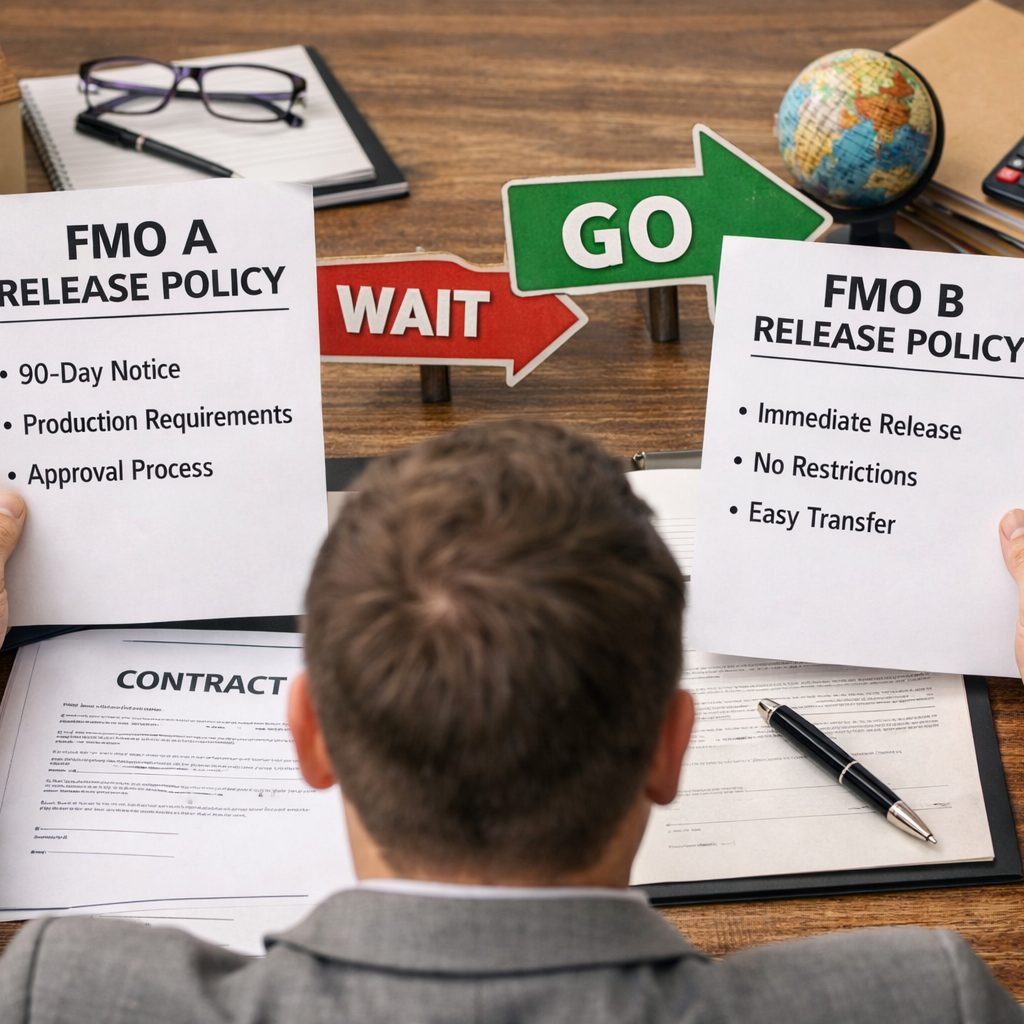
Some agents choose to contract with more than one organization to maximize their options. Non-exclusive agreements allow you to access different carrier products and resources, but it’s important to confirm this arrangement is allowed by the organizations involved.
Compliance considerations for agents
Be aware of regulatory requirements and carrier-specific rules about multiple uplines. Transparent disclosures and following each organization’s compliance processes help you avoid conflicts of interest and ensure ethical business practices.
Managing relationships with multiple uplines
Clear communication and diligent record-keeping are essential when balancing more than one partnership. Take time to understand each organization’s expectations and avoid duplicating business across multiple contracts. Stay organized to minimize mistakes and maintain professional relationships.
What Support Should Independent Agents Expect?
Essential resources for Medicare agents
A reliable upline should provide you with access to compliant marketing materials, technology platforms for quoting and enrollment, and ongoing administrative assistance. These resources free up your time for prospecting and serving clients.
Practice growth and lead generation help
Strong organizations invest in your success—offering training on lead generation, market trends, and community outreach. Look for groups that tailor growth strategies to your goals, from digital marketing to local networking.
Ongoing compliance education
The Medicare landscape changes often. Continued education, webinars, and workshops from your upline keep you current on compliance, marketing requirements, and industry shifts. Regular access to experts ensures you serve clients responsibly while growing your business.