
Key Takeaways
- Compliant bilingual outreach expands your reach and builds trust with diverse Medicare clients.
- Effective strategies rely on cultural awareness, community partnerships, and ongoing compliance training.
Reaching bilingual Medicare-eligible individuals is a key opportunity for licensed insurance agents and independent professionals. With demographic trends shifting and strict compliance rules in place, it’s essential to have strategies that win trust, foster understanding, and grow your practice the right way.
What Is Bilingual Market Outreach?
Definition for insurance agents
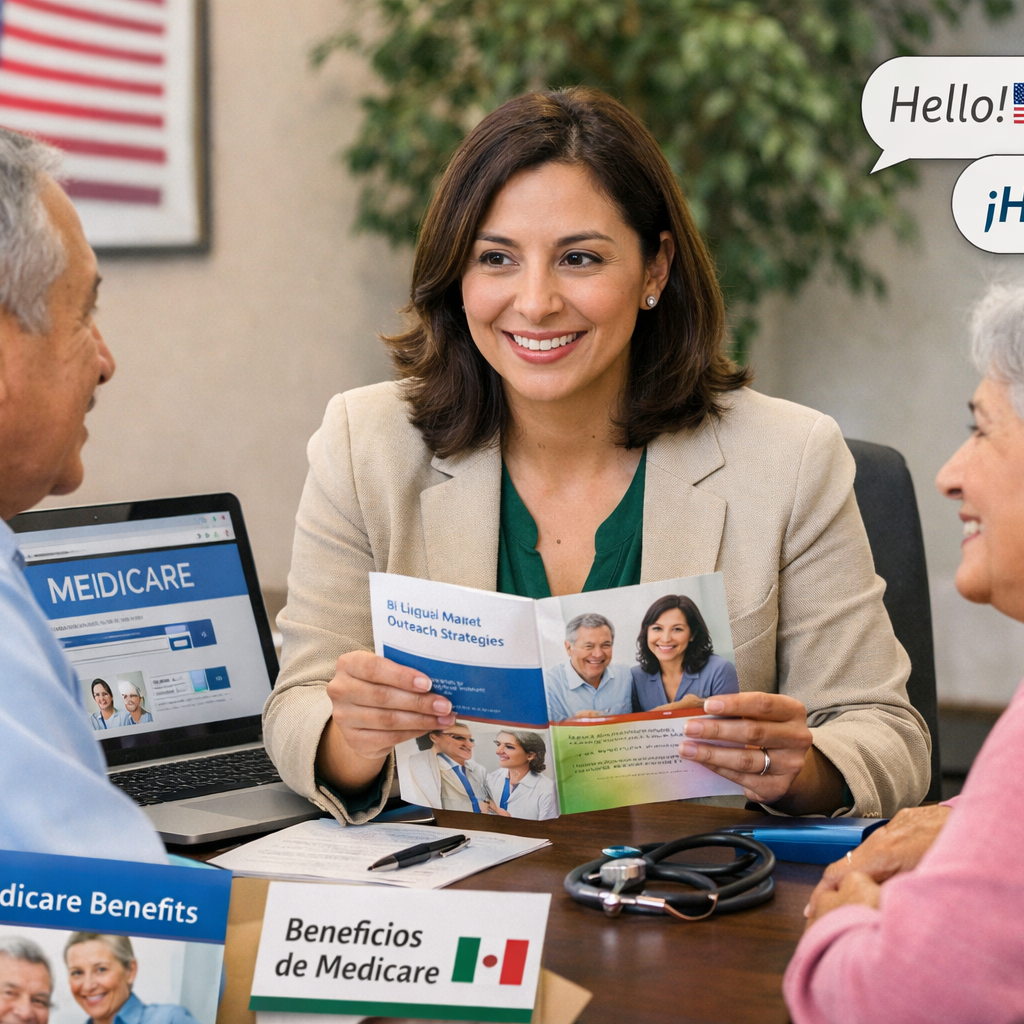
Bilingual market outreach refers to intentional efforts by insurance agents to connect with clients who speak more than one language—often English plus another, such as Spanish, Chinese, or Vietnamese. For insurance professionals, it’s not just about translating documents. True outreach involves tailored communication, culturally relevant education, and clear compliance every step of the way.
The role in Medicare client growth
As the population of bilingual Medicare-eligible individuals grows, connecting with these communities opens doors for practice growth. Effective bilingual outreach helps agents serve clients more confidently, reduce misunderstandings, and become a trusted resource for a wider audience.
Why Serve Bilingual Medicare Clients?
Demographic growth trends
Recent census data shows a significant rise in Medicare-eligible individuals who speak a language other than English at home. Spanish is the most common, but many other languages are represented across the U.S. insurance market. Expanding your outreach now positions your practice to serve these quickly growing segments for years to come.
Addressing unique client needs
Bilingual clients often have different questions and concerns—from terminology barriers to understanding relevant plan details in their preferred language. Addressing these needs through tailored marketing and compliant education closes gaps, ensuring no eligible client feels left behind.
What Are Key Compliance Rules?
Common compliance pitfalls
Agents connecting with bilingual audiences must follow strict Medicare marketing rules. Common pitfalls include:
- Using unapproved translated materials
- Implying endorsement from Medicare or other government agencies
- Making claims about plan benefits or outcomes
- Overpromising service or results either in English or the translated language
Avoiding these mistakes keeps your practice safe and builds lasting trust.
Essential terms for compliance
- Always identify as a “licensed insurance agent” or “independent agent,” never as a Medicare representative.
- Use terms like “Medicare beneficiaries” or “Medicare-eligible individuals.”
- Stay plan-neutral: focus on education and options, not specific coverage or performance promises.
Ensure all outreach materials—digital and print—are submitted for compliance review if required by your agency or local regulations.
How Can You Find Bilingual Audiences?
Community partnerships
Start by connecting with local organizations that already serve your target audience. Community centers, senior groups, faith-based organizations, and language-specific clubs are powerful partners. Offering compliant Medicare education sessions or Q&A workshops can open doors to these groups.
Online resources and groups
Explore online spaces—Facebook groups, cultural association websites, and forums—where bilingual Medicare beneficiaries gather. Contributing helpful, compliance-approved educational content introduces you to these audiences and builds authority over time.
What Outreach Materials Should You Use?
Creating compliant bilingual resources
Prepare resource materials in both English and your audience’s other primary language. This includes flyers, fact sheets, digital presentations, and event invitations. All materials should be reviewed for compliance—ensure both the original and translated versions reflect correct, plan-neutral information.
Translation vs. localization strategies
Translation simply converts words from one language to another. Localization adapts messages so they make cultural sense, using relevant examples and honoring local customs. For example, localized materials might highlight benefits in ways that resonate with the community, while still staying plan-neutral and compliance-safe.
Which Communication Platforms Work Best?
Digital channels for outreach
Use email, targeted social media advertising, and your website to connect with bilingual Medicare clients. Video content—especially in the preferred language—can simplify complex concepts and convey warmth. Always make sure your digital messaging meets compliance standards and has a clear focus on education.
Offline engagement ideas
Don’t overlook non-digital strategies. Host bilingual seminars, attend community health fairs, and offer informational sessions wherever your target audience gathers. Printed educational materials, mailers, and personal follow-ups reinforce your message in a personal, trust-building way.
How Do You Train Staff for Success?
Bilingual cultural awareness training
Everyone in your office should be trained on cultural norms, respectful communication, and the most common questions from bilingual clients. Sessions on cultural awareness help staff avoid misunderstandings and strengthen client relationships.
Ongoing compliance education
Regular compliance training is a must. Stay updated on Medicare marketing regulations—especially those affecting bilingual outreach. This can include periodic workshops, webinars, or internal updates so your whole team is confident about what can and cannot be shared.
How Do You Measure Outreach Effectiveness?
Tracking engagement safely
It’s important to track which outreach efforts generate the most engagement while protecting client privacy. Use anonymized data and metrics such as attendance at bilingual events, website visits, and requests for information in different languages to guide your strategy.
Getting feedback from clients
Surveys—offered in both English and your audience’s primary language—help you measure satisfaction and effectiveness. Encourage honest feedback after events or one-on-one meetings. Use these insights to fine-tune your approach and ensure your outreach stays both relevant and respectful.
What Are Common Challenges in Bilingual Outreach?
Overcoming language barriers
Even with translated or localized materials, some terms or concepts may be confusing. Make sure you’re available for follow-up conversations, and consider offering meetings with bilingual staff or interpreters when needed.
Building community trust
Trust is earned over time. Consistent, culturally aware outreach—paired with strict adherence to compliance—shows your commitment to helping clients, not just selling to them. This long-term approach leads to more referrals and a stronger community reputation.