
Key Takeaways
- Expand your Medicare practice with compliant, culturally sensitive outreach to bilingual communities.
- Effective strategies require the right resources, staff training, and regular compliance checks.
Growing your practice with bilingual Medicare outreach requires more than just translated materials. Serving diverse communities means embracing compliance, cultural understanding, and educational guidance—empowering you to connect, build trust, and meet real needs. Here’s how you can approach this strategically and safely.
What Is Bilingual Market Outreach?
Definition for insurance agents
For licensed insurance agents, bilingual market outreach means actively seeking to engage Medicare-eligible individuals who speak more than one language or have limited English proficiency. This outreach isn’t just about translating resources; it’s about building relationships across language and cultural barriers using compliant methods.
The role in Medicare client growth
Bilingual outreach is a catalyst for practice growth. It enables you to connect with more Medicare beneficiaries, including those who might otherwise feel left out due to language barriers. By expanding your audience, you can help ensure diverse communities receive the right educational resources and guidance for their Medicare decisions.
Why Serve Bilingual Medicare Clients?
Demographic growth trends
The number of bilingual and non-English-speaking Medicare beneficiaries has risen sharply. As of 2026, over 20% of Medicare-eligible individuals in the U.S. speak a language other than English at home. These shifting demographics present a significant opportunity for agents who want to diversify and grow their client base.
Addressing unique client needs
Bilingual clients often face barriers to accessing clear, accurate information. Culturally sensitive outreach helps ensure that these individuals understand their Medicare options and rights. By addressing these unique needs, you show respect for their background while fulfilling a vital educational role.
What Are Key Compliance Rules?
Common compliance pitfalls
Compliance is not optional in the Medicare space. Some frequent mistakes to avoid include:
- Using non-compliant or unclear materials.
- Failing to provide official disclaimers.
- Overlooking the need for plan-neutral educational content.
- Implying agent affiliation with Medicare or offering guarantees about plan performance.
You should always make it clear you are a licensed insurance agent, not representing Medicare directly.
Essential terms for compliance
Stay within these safe guidelines:
- Identify yourself as a “licensed insurance agent” or “independent agent.”
- Focus on “Medicare beneficiaries” or “Medicare-eligible individuals.”
- Keep all client education neutral and information-based.
- Never mention plan guarantees, specific compensation, or carrier names.
- Use up-to-date, CMS-approved disclaimers on all marketing and educational materials.
How Can You Find Bilingual Audiences?
Community partnerships
Start by connecting with local organizations and groups that have built trust in bilingual and multicultural communities. Senior centers, language-learning institutes, houses of worship, and local advocacy groups can offer avenues for introductions and event partnership opportunities.
Participating in local events or health fairs allows you to meet prospective clients where they’re comfortable, laying the groundwork for lasting relationships.
Online resources and groups
Look for digital platforms where bilingual communities gather—social media groups, cultural association forums, and translated government resource pages. Many online directories and local news outlets have bilingual sections or host community boards. Joining these spaces can increase your visibility and credibility among target prospects.
What Outreach Materials Should You Use?
Creating compliant bilingual resources
All outreach materials must meet Medicare marketing standards. This includes ensuring that:
- Translations are accurate and approved.
- All required disclaimers are included in both languages.
- Materials are plan-neutral and avoid carrier or product names.
Work with compliance partners or language professionals familiar with Medicare regulations to keep resources up to date and clear for every audience.
Translation vs. localization strategies
Translation simply converts words from one language to another. Localization, however, adapts content for cultural nuances—including imagery, examples, and tone. For better engagement, localize your materials to resonate with each community’s unique values and communication styles while keeping all content compliant.
Which Communication Platforms Work Best?
Digital channels for outreach
Leverage bilingual websites, email newsletters, and social media pages managed in your target languages. Digital platforms allow you to reach clients where they are, offering them accessible ways to learn and ask questions.
Use short videos or webinars with closed captions in multiple languages, helping build comfort and trust from a distance.
Offline engagement ideas
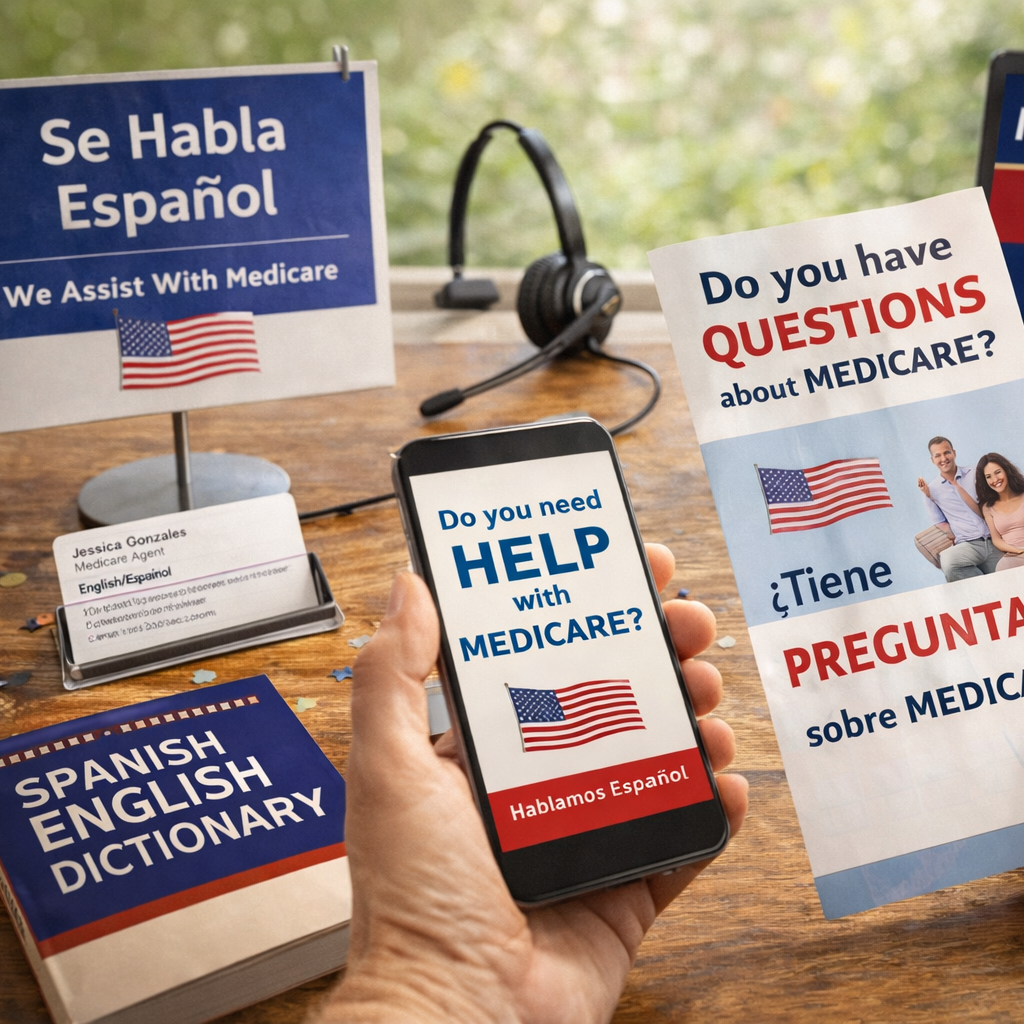
Traditional methods such as bilingual printed brochures, flyers, or direct mail campaigns can be highly effective. Small group seminars at local centers, or even home visits (with proper compliance and permissions), add a personal touch that digital platforms may lack.
Always secure written consent before sharing beneficiary contact information at events or via forms, and include all required disclosures.
How Do You Train Staff for Success?
Bilingual cultural awareness training
Invest in regular cultural competence training for your agents and staff. This includes understanding norms, addressing communication preferences, and being sensitive to traditions within each community.
Cultural awareness helps your team avoid unintentional misunderstandings and build genuine client rapport.
Ongoing compliance education
Keep everyone up to date with compliance training focused on bilingual outreach. This covers new CMS marketing rules, changes to required disclaimers, or updates on what educational activities are permitted. Regular sessions ensure your staff remains confident in delivering compliant, effective service.
How Do You Measure Outreach Effectiveness?
Tracking engagement safely
Collect engagement data by monitoring attendance at bilingual events, measuring digital interactions, or tracking requests for information—without capturing personal data unless it’s been properly authorized.
Use metrics like the number of outreach events, client sign-ups for educational sessions, or growth in inquiries from your target audience.
Getting feedback from clients
Ask for client input through surveys or post-event feedback forms in their preferred language. This provides insight into which outreach methods work and ensures your services truly meet the needs of bilingual Medicare beneficiaries.
What Are Common Challenges in Bilingual Outreach?
Overcoming language barriers
Even with translated materials, misunderstandings can occur. Encourage open dialogue, use visuals to clarify complex points, and provide access to professional interpreters if needed. Make sure there are always clear, easy ways for clients to ask follow-up questions in their language of choice.
Building community trust
Trust comes from authentic engagement. Be present at community events, support local initiatives, and demonstrate respect for cultural practices. Consistency, patience, and transparency in every interaction build your reputation—and encourage word-of-mouth referrals.